
You have had a mole or skin lesion removed today.
Please follow this advice to help you feel comfortable post procedure and to optimize wound you’re healing.
You should not be in severe pain, you may take painkillers such as paracetamol. Make sure you follow the instructions on the packet. You should avoid aspirin, as this may increase the risk of bleeding. If you are already taking aspirin for other reasons, you should continue this as prescribed.
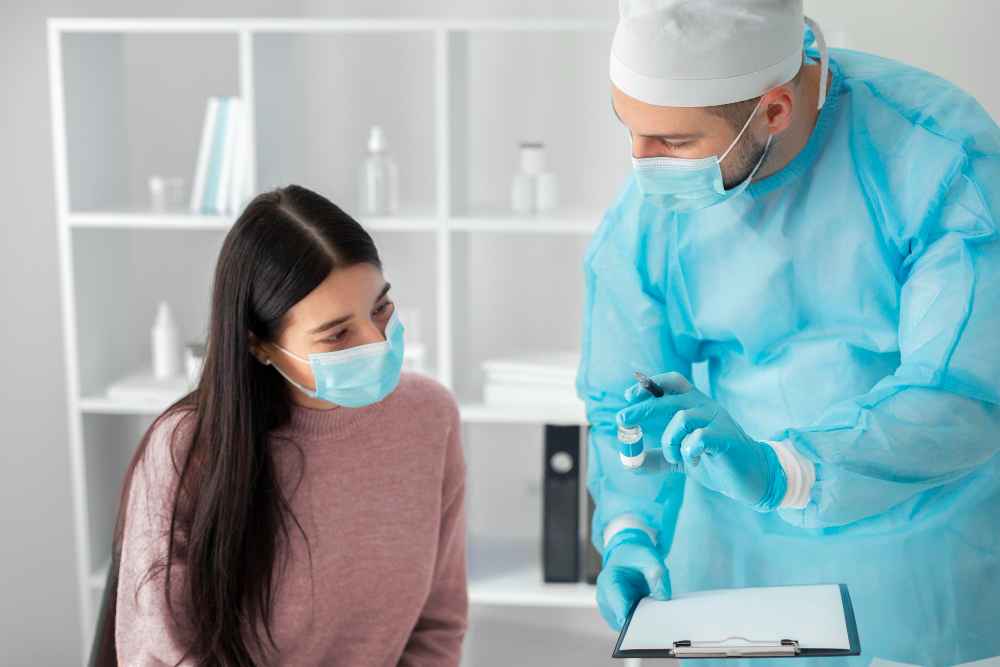
The wound may ooze a little over the next ten to 14 days. During this time, scab will form. This will fall off over the next three weeks to leave a pink / red scar. Over time, this will settle down.
Repeat these instructions daily until the wound is healed. This may be anywhere from 5 to 20 days.
The wound will actually heal better and scar less if kept clean and covered with petroleum jelly.
If bleeding occurs, apply firm pressure to the site. Direct pressure should be applied to the wound. Five minutes should be adequate if the bleeding is minor and the wound is smal. However, if the wound is larger and the bleeding is more severe, apply pressure for 10 minutes, timed by looking at a clock. It is best not to discontinue pressure to see if the bleeding has stopped until 10 minutes have passed. If the bleeding continues, remove the pad and press directly with a clean gauze pad over the bleeding site. If bleeding soaks through the gauze or is not stopped by firm pressure, cal and go to your doctor or an urgent care center.
If you notice pus or discharge coming from the wound this may be an infection. This is particularly worrisome if you develop a fever and the wound is red, painful, swollen, and warm. Other signs of infection could be red streaks from wound, increased pain, and painful or swollen lymph nodes (glands). If you have any suspicion of having an infection, you should seek medical advice, contact us, go to your doctor or an urgent care centre.
You may shower daily after the first 24 hours have passed. At first, you may leave the dressing on during the shower to protect the wound from the flow of water. Alternatively, if the wound needs cleaning, the shower is helpful to remove crusts and discharge. Dry the area gently and then apply the petroleum jelly and cover the healing wound as described above. We recommend not bathing in a tub or hot tub until the wound is completely healed over to avoid infection.
After the wound looks healed over you can stop daily dressing changes. The wound may remain red and wil slowly fade over the next few weeks or months. Sometimes it can take 6 months to 1 year for the redness to fade completely.
You may experience a sensation of tightness as your wound heals. This is normal and wil gradually fade. After the wound has healed, frequent, gentle massaging of the area wil help to loosen the scar. Sometimes the surgery involves small nerves and may take up to a year before feeling returns to normal. Only rarely will the area remain numb permanently.
Your healed wound may be sensitive to temperature changes (such as cold air. This sensitivity improves with time, but if you are experiencing a lot of discomfort, try to avoid temperature extremes. You may experience itching after your wound appears to have healed. This is due to the healing that continues underneath the skin. Petroleum jelly may help to relieve this itching. Try not to scratch the wound since this may cause it to reopen.
Avoid sunlight to the scar by keeping it covered and/or using sunscreen. Prolonged sun exposure may turn the pink scar to a darker red or purple color and delay healing.
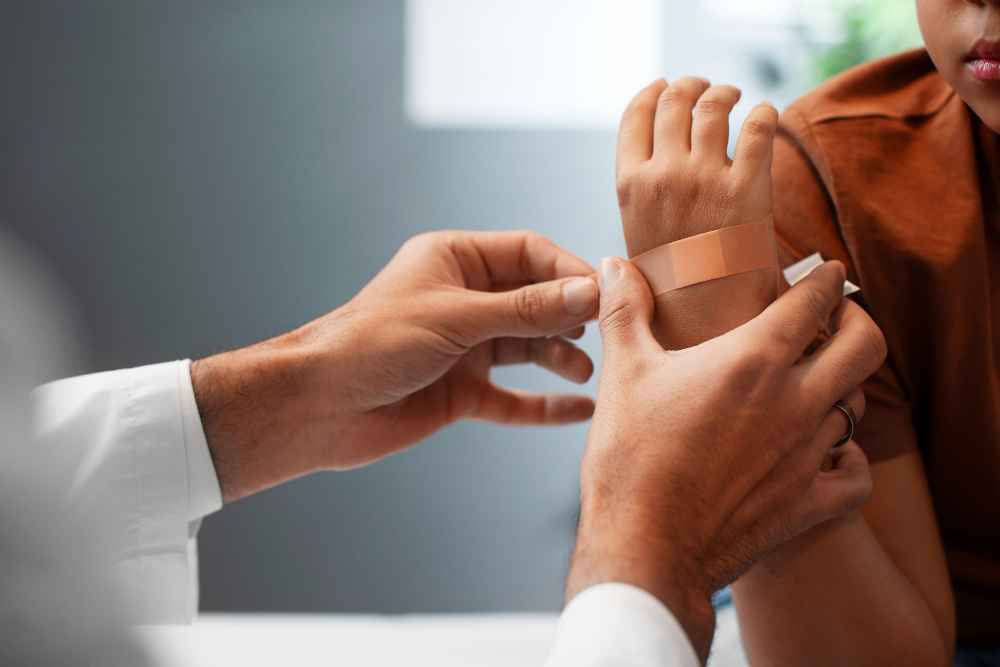
You may shower daily after the first 24 hours have passed. At first, you may leave the dressing on during the shower to protect the wound from the flow of water. Alternatively, if the wound needs cleaning, the shower is helpful to remove crusts and discharge. Dry the area gently and then apply the petroleum jelly and cover the healing wound as described above. We recommend not bathing in a tub or hot tub until the wound is completely healed over to avoid infection.
If you notice pus or discharge coming from the wound this may be an infection. This is particularly worrisome if you develop a fever and the wound is red, painful, swollen, and warm. Other signs of infection could be red streaks from wound, increased pain, and painful or swollen lymph nodes (glands). If you have any suspicion of having an infection, you should seek medical advice, contact us, go to your doctor or an urgent care centre.
After the wound looks healed over you can stop daily dressing changes. The wound may remain red and wil slowly fade over the next few weeks or months. Sometimes it can take 6 months to 1 year for the redness to fade completely. You may experience a sensation of tightness as your wound heals. This is normal and wil gradually fade. After the wound has healed, frequent, gentle massaging of the area wil help to loosen the scar. Sometimes the surgery involves small nerves and may take up to a year before feeling returns to normal. Only rarely will the area remain numb permanently. Your healed wound may be sensitive to temperature changes (such as cold air. This sensitivity improves with time, but if you are experiencing a lot of discomfort, try to avoid temperature extremes. You may experience itching after your wound appears to have healed. This is due to the healing that continues underneath the skin. Petroleum jelly may help to relieve this itching. Try not to scratch the wound since this may cause it to reopen. Avoid sunlight to the scar by keeping it covered and/or using sunscreen. Prolonged sun exposure may turn the pink scar to a darker red or purple color and delay healing.
If bleeding occurs, apply firm pressure to the site. Direct pressure should be applied to the wound. Five minutes should be adequate if the bleeding is minor and the wound is smal. However, if the wound is larger and the bleeding is more severe, apply pressure for 10 minutes, timed by looking at a clock. It is best not to discontinue pressure to see if the bleeding has stopped until 10 minutes have passed. If the bleeding continues, remove the pad and press directly with a clean gauze pad over the bleeding site. If bleeding soaks through the gauze or is not stopped by firm pressure, cal and go to your doctor or an urgent care center.
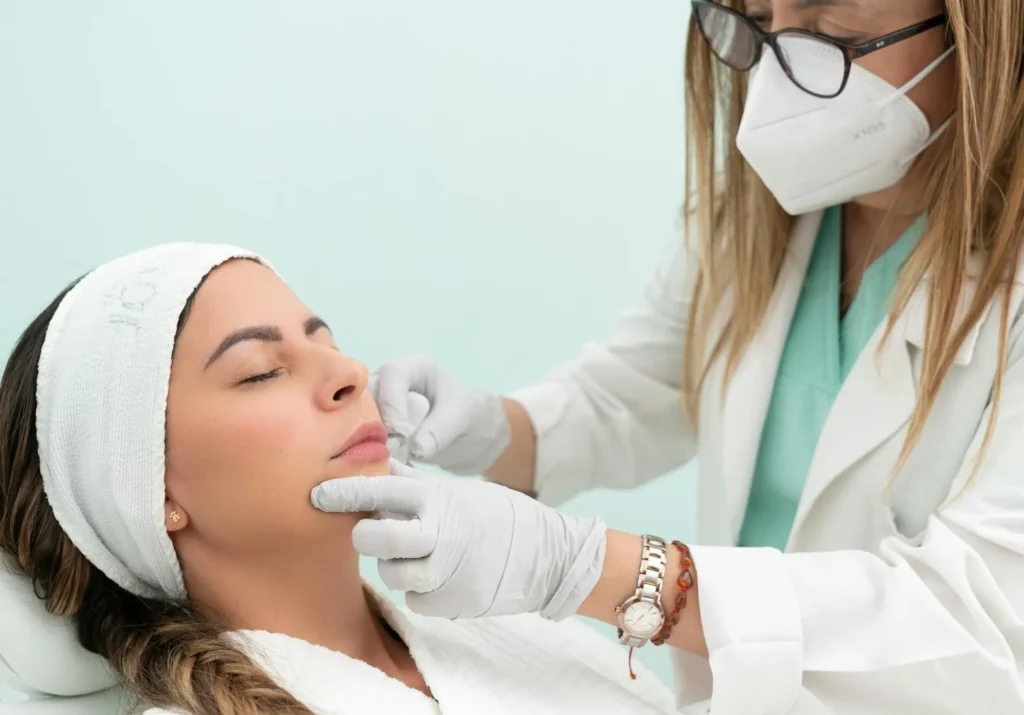
Keep your head elevated for the first 2 nights even while sleeping